

Emergency room visits are often the most expensive form of care, yet many are preventable. Patients who maintain a consistent relationship with a primary care provider have fewer avoidable ER visits. According to research, patients with access to comprehensive primary care services were significantly less likely to rely on emergency care for non-urgent issues.
Let’s examine how coordinated care can reduce unnecessary ER use and improve overall health outcomes.
The Role of Coordinated Care in Ohio
Coordinated care in Ohio emphasizes a seamless approach to patient health. Providers track medical history, lab results, and preventive screenings, ensuring patients receive timely interventions. Clinics offering routine physical exams and annual wellness visits play a pivotal role in identifying health risks before they escalate into emergencies.
Patients benefit from:
- Consistent monitoring of chronic conditions like diabetes and hypertension
- Access to internal medicine and family medicine specialists within the same network
- Streamlined referrals to appropriate services, reducing delays and complications
Reducing Emergency Room Dependence
When primary care providers engage in proactive management, patients are less likely to face preventable crises. Communities with robust primary care networks report lower ER utilization rates, especially for conditions like asthma, diabetes complications, and hypertension-related emergencies.
Additionally, primary care clinics in Columbus and across the state, offering diabetes care services and chronic disease management, provide patients with actionable health insights, allowing timely interventions that prevent costly emergency care.
Supporting Patient Health Through Accessibility
One of the strongest predictors of reduced emergency room visits is the availability of accessible, continuous primary care. When patients can easily see a doctor for non-urgent issues, they are less likely to wait until a problem escalates into an emergency.
Accessibility supports patient health in several ways:
- Same-day visits allow people to address acute but non-emergent conditions like infections, minor injuries, or sudden pain.
- Preventive checkups identify early warning signs of chronic conditions, such as hypertension or diabetes, before they become emergencies.
- Screenings and lab tests provide ongoing monitoring, helping providers make informed adjustments to treatment plans.
- Continuity with a trusted provider allows doctors to recognize subtle changes in a patient’s health that may otherwise go unnoticed.
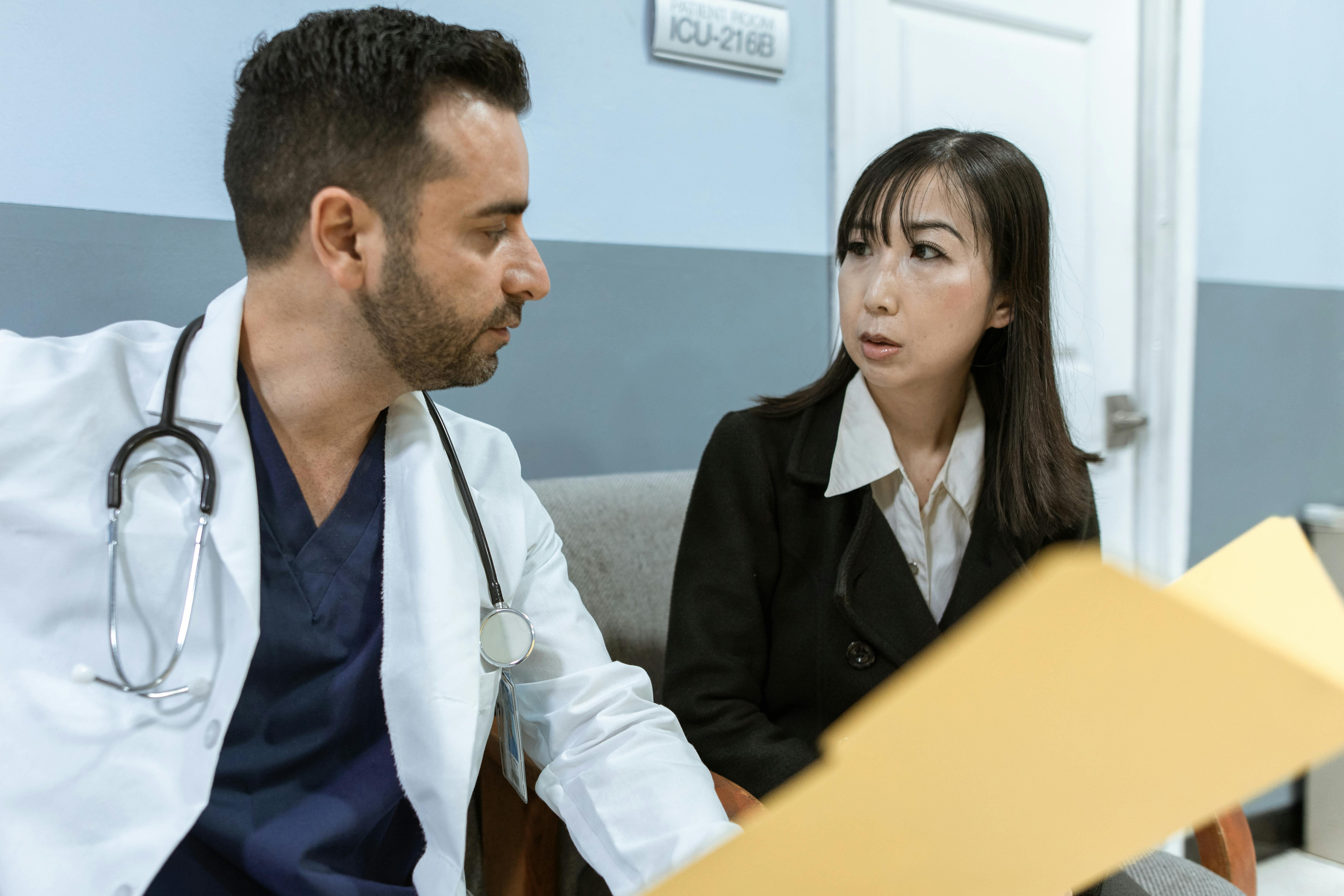
Building a Healthier Ohio Through Primary Care
Investing in coordinated primary care in Ohio benefits both patients and the healthcare system by lowering emergency room dependence and improving long-term outcomes.
For reliable, patient-focused care, Ohio Primary Care is the place to be. Contact us today to schedule appointments, routine exams, or preventive services.